
Comprehensive Eye Examinations
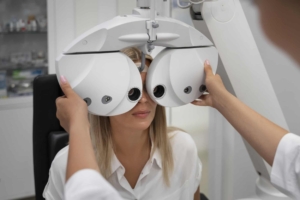
Here at Kawartha Vision Care, your eye examination will be precise and complete. Our Optometrist will conduct a thorough examination not only of your vision but also of your overall eye health.
🩺 What to Expect During Your Eye Exam
Your eye health matters to us. That’s why every exam at our clinic is thorough, personalized, and done with care.
Here’s what it includes:
🔍 **Case History** We begin by listening. Your vision concerns, medical history, and family background help us understand your needs.
👓 Visual Acuity Testing
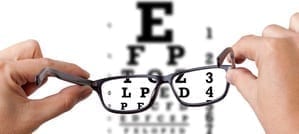
We assess how clearly you see—both up close and at a distance.
👁️ Ocular Motility
We check how your eyes move and work together for comfortable, coordinated vision.
🔎 **Refraction** We determine your exact prescription for glasses or contact lenses.
🧠 Eye Health Assessment
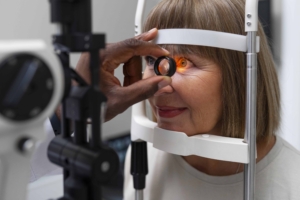
We examine the front and back of your eyes to screen for any signs of disease.
💨 Tonometry (Eye Pressure Test)
A gentle measurement to check for conditions like glaucoma.
💡 Dilated Fundus Exam
Using eye drops, we get a full view of your retina and optic nerve to detect any concerns early.
✅ Why It Matters
Your eyes don’t just help you see—they can also reveal early signs of diabetes, high blood pressure, glaucoma, and more. That’s why we take every step to ensure your full ocular health.
Comprehensive eye exams in Cobourg, Lindsay, Peterborough — Trusted local optometrists dedicated to your vision and health.
🩺 Ontario Health Card Coverage:
Yearly eye exams are fully covered for patients under 20 and 65+ with a valid Ontario Health Card.
Eye Professionals
Do you know the difference between an Optometrist and an Ophthalmologist? Learn what various eye professionals do.
Opticians
Opticians are equivalent to drug store pharmacists. They fill prescriptions provided by Optometrists with appropriate visual aids such as eyeglasses, contact lenses and low vision aids to help you in your daily living. They design, repair and dispense lenses and repair eyewear. Opticians are advocates for your eyes by ensuring that your eye care options are current, safe, and appropriate for your specific needs. They also provide consultation about your eye health.
Optometrists
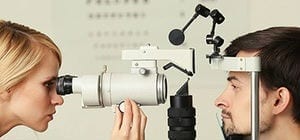
Optometrists are front line, primary eye care doctors that perform examinations to determine eyewear prescriptions while watching for any health abnormalities of the eye. Any internal diseases of the eye are referred to Ophthalmologists.
Ophthalmologists
Ophthalmologists are medical doctors that specialize in the study, diagnosis and treatment of eye disease often using medications and or surgery for treatment. They perform follow up as required.
Frequently Asked Questions
What are the different forms of eye emergencies?
Contact us immediately or go to the nearest hospital if you experience any of these conditions:
- Black Spots
- Flashes of Light
- Eye Injury or Pain
- Curtain-Like Obstruction of Vision
- Sudden Haze or Blurring
- Red and Swollen Eyelids
- Halos
- Loss of Side Vision
What are the differences between myopia, hyperopia, and astigmatism?
Myopia refers to near-sightedness while hyperopia is synonymous to farsightedness. Astigmatism is a common condition that involves an irregularly shaped cornea, which could distort your vision.
What are cataracts?
Cataracts cause your lens to be cloudy, impairing your vision in the process. They are normally caused by age and sun exposure and require surgery once ripe and fully formed.
What is glaucoma?
Glaucoma refers to damage to your optic nerve that causes a gradual and irreversible loss of vision. It can be detected through an eye exam and could lead to blindness if left untreated.
What should I bring to an eye exam?
Please bring a list of all the prescription medication and supplements you are currently taking. You should also bring your glasses, contacts, or your most recent prescription. Don’t forget to remove your contacts at least 20 minutes before the exam.
Schedule an Appointment
For appointments, please fill out the form below.